You have tight calves after a long run, a shoulder that aches during workouts or a stiff back after another week at your desk. You know you want a massage. Choosing the right appointment is the confusing part.
Sports massage and remedial massage overlap. Both use hands-on techniques to work with muscles and other soft tissue, and both should reflect your symptoms, comfort and goals. The main difference is the purpose of the session.
Sports massage usually centers on the demands of training and competition. Remedial massage usually centers on a particular area of pain, tension or restricted movement. An athlete might need remedial treatment, while someone who exercises casually might book sports massage for post-training soreness.
You do not need to arrive with the perfect treatment label. Knowing what each approach involves can help you explain what you need.
What is sports massage?
Sports massage focuses on the muscles and movements involved in physical activity. The session takes your sport, training schedule and upcoming events into account.
For a runner, that might mean attention to the calves, thighs and hips. A swimmer might need more work around the shoulders and upper back. Someone who lifts weights might want to discuss tightness that appears after particular exercises.
The treatment should also reflect how you feel that day. General soreness after a demanding week calls for a different conversation from pain that returns during every run.
What can sports massage help with?
Sports massage may help reduce post-exercise soreness and temporarily improve flexibility. Some people also find it useful for relaxation after training.
Those benefits need realistic expectations. A systematic review found improvements in flexibility and delayed muscle soreness, but no overall improvement in measures such as strength, sprinting or endurance. Massage does not guarantee better performance or prevent injuries.
Think of it as one part of your training routine. Sleep, adequate food, sensible progression and recovery time still deserve attention.
Do you need to be an athlete?
No. Recreational runners, gym members, cyclists, dancers and weekend sports players can all discuss sports massage with a therapist.
There is no minimum number of workouts you need to complete each week. Your reasons for booking matter more than your pace, competition level or training history.
What is remedial massage?
Remedial massage is a targeted approach to muscle discomfort and movement concerns. The therapist asks about your symptoms and relevant health history, then assesses what treatment may be appropriate.
You might book because turning your head feels uncomfortable, your shoulders tighten during work or a particular area remains sore after exercise.
The session may include work around the painful area and nearby muscles. However, a tender spot does not automatically reveal the cause of pain. Some symptoms need assessment from a physiotherapist or doctor rather than further massage.
Is remedial massage only for injuries?
No. You do not need a diagnosed injury to discuss recurring tension or stiffness with a remedial massage therapist.
Someone who spends long periods at a computer might want help with uncomfortable neck and shoulder tension. A parent might notice muscle soreness after carrying a growing child. An active older adult might want to address stiffness that makes everyday movement less comfortable.
The goal should be specific enough to assess. “Turning my head feels easier” is more useful than a vague promise to fix everything.
How do sports massage and remedial massage compare?
| Aspect | Sports massage | Remedial massage |
|---|---|---|
| Main emphasis | Muscle comfort and recovery around physical activity | A particular area of pain, tension or restricted movement |
| Typical conversation | Sport, training volume, recovery and event timing | Symptom history, daily activities and movements that feel uncomfortable |
| Treatment areas | Muscles relevant to your activity and symptoms | Areas selected after discussing and assessing your concern |
| Pressure | Adjusted to your comfort and the purpose of the session | Adjusted to your comfort and the purpose of the session |
| Appointment timing | May fit around training or competition | May follow symptom changes and treatment response |
| Overlap | Can include targeted remedial techniques | Can address discomfort associated with sport |
The distinction is useful, but it is not a strict dividing line. Both approaches should include a conversation about your health, expectations and consent.
What does sports remedial massage mean?
Sports remedial massage describes an approach that combines sports-related goals with targeted treatment for a particular concern. Clinics may use slightly different names for similar services.
Imagine a recreational runner preparing for a half marathon. Their legs feel generally tired, but one calf also becomes uncomfortable during longer runs. The session needs to consider both the training schedule and the recurring symptom.
Now consider someone who works at a desk and lifts weights twice a week. Their shoulder discomfort may relate to several activities rather than fitting neatly into a “sports” or “office work” category.
In either case, explain what happens, when it happens and what you want to do more comfortably. That gives the therapist more useful information than choosing a label alone.
What happens during an appointment?
Before treatment, your therapist should ask about your main concern, relevant medical conditions, previous injuries and any medication that could affect treatment.
For a sports massage, mention upcoming races, games and demanding training sessions. For remedial treatment, explain when the discomfort started and which activities change it.
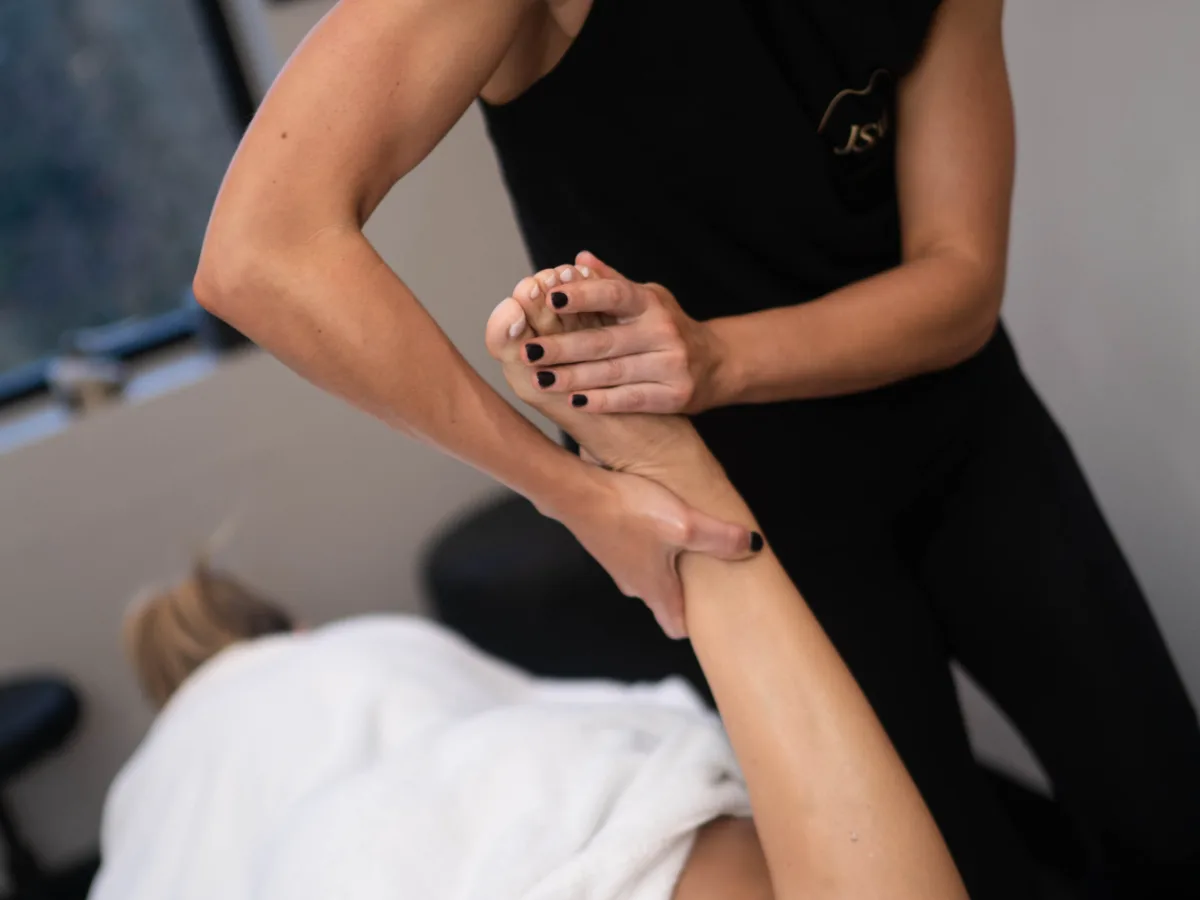
The therapist may check relevant movements and discuss the areas they recommend treating. You should also agree on pressure, positioning and draping. You can ask questions, request a change or stop treatment at any time.
A focused session may spend most of the appointment on one region. A broader session may cover several areas. Discuss your priorities at the start so the available time goes toward what matters most to you.
Does either treatment need to hurt?
Pressure should remain manageable. Sharp, burning or shooting pain is a reason to speak up immediately.
A stronger massage is not automatically a better massage. Your therapist can change pressure, technique or positioning rather than asking you to endure discomfort.
Some temporary soreness can occur after treatment, but soreness is not proof that the session worked. Severe or persistent pain deserves follow-up.
When should you book around training?
Tell your therapist how close you are to your next event. The approach that suits a normal training week may not suit the day before a race.
If you have never tried a particular treatment, discuss timing before introducing it close to an important event. You want enough time to assess how your body responds.
After a demanding event, explain how sore you feel and mention any unusual symptoms. Our recovery massage is another option to discuss when post-training comfort is your main priority.
Sudden pain, substantial swelling or difficulty using a limb needs assessment rather than an assumption that the muscles simply need deeper work.
How often should you have a massage?
There is no fixed schedule that suits everyone.
Frequency should reflect your goals, budget, training and response to treatment. You may book occasionally during demanding periods or arrange a follow-up to reassess a specific concern.
Pay attention to practical changes. Are stairs more comfortable? Can you turn your head more freely? Does the same discomfort return as soon as you resume your usual activity?
If sessions provide little benefit, discuss a different approach. Repeated treatment should have a clear purpose rather than continue automatically.
Which appointment should you choose?
Sports massage may suit you when training and post-exercise muscle soreness are the main reasons for booking. Remedial massage may suit you when a particular area of discomfort or restricted movement needs focused attention.
If both descriptions fit, tell the clinic. You can explain, “I’m training for a race, but my right shoulder has also been bothering me.” That gives the team a sensible starting point.
Book sports and remedial massage in Sydney CBD
Jackie’s Sports Massage has operated since 1994 and offers sports and remedial massage at Level 6, Suite 605, 185 Elizabeth Street in Sydney CBD. Health fund rebates are available with eligible therapists, subject to your policy and provider requirements.
Tell us what has been bothering you, what your week involves and what you hope to get from treatment.