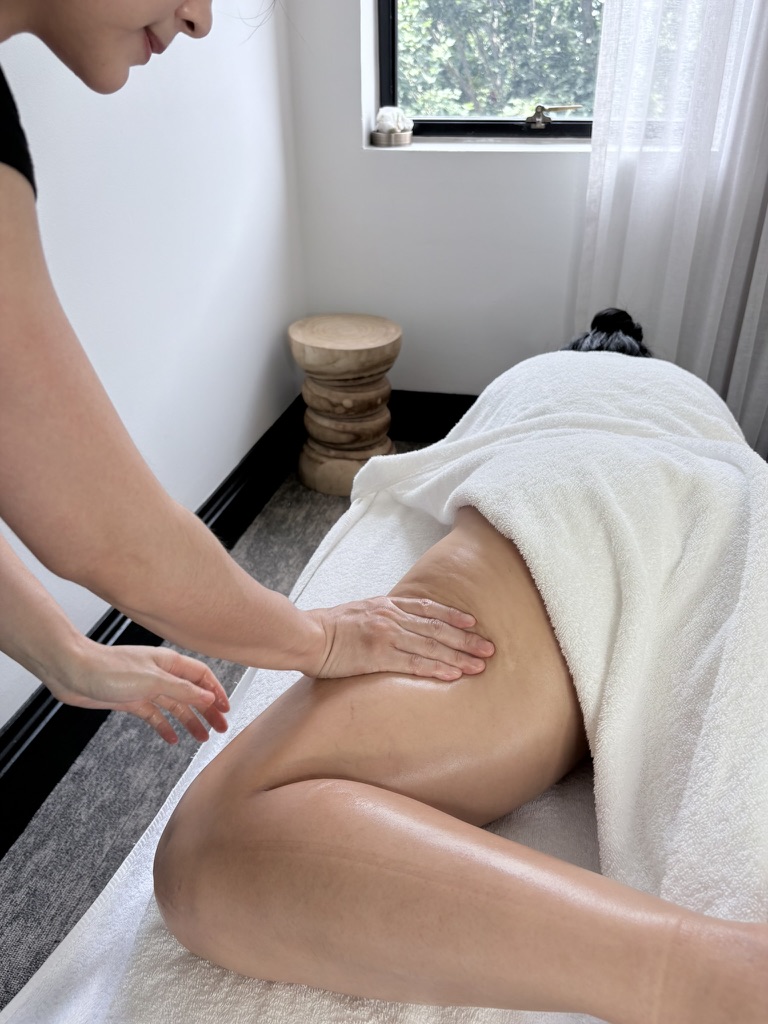
Your lower back feels stiff when you stand up from your chair. Putting on shoes has become uncomfortable. Or a normal training session has left you moving more cautiously than usual.
Lower back pain can interrupt ordinary tasks long before it stops you completely. A back pain massage may help ease discomfort for some people, but choosing the right care starts with looking at your symptoms rather than assuming every ache needs firm pressure.
Most lower back pain is described as nonspecific. This means a single cause cannot be confidently identified. It does not mean the pain is imaginary, and it does not automatically mean a muscle, joint or disc is damaged.
Massage can be part of managing symptoms. It works best within a broader approach that supports movement, appropriate exercise and medical assessment when needed.
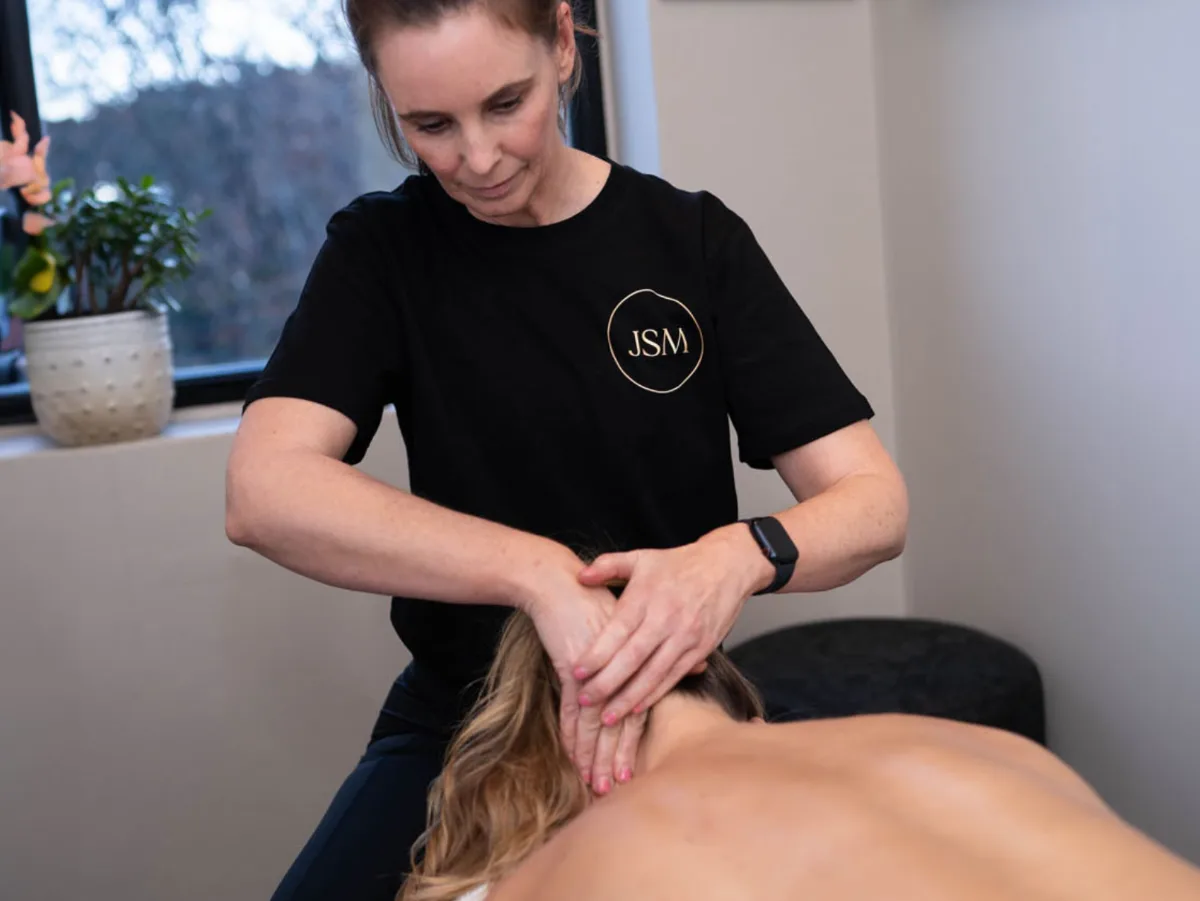
Why does your lower back feel sore?
Back pain can appear after an unfamiliar activity, a change in training or a long period in one position. Sometimes it starts without an obvious trigger.
Several factors may influence how your back feels, including physical demands, sleep, stress and previous episodes of pain. A sore back rarely comes with a neat explanation attached.
Long periods in the same position
You might notice discomfort after sitting through meetings, driving for hours or standing through a long shift.
That does not mean you have one “bad” posture that needs correcting. Moving between comfortable positions can be more practical than trying to hold a perfect position all day.
A sudden change in activity
Moving furniture, returning to the gym or doing several hours of gardening can ask more of your body than usual.
The change matters. An activity you normally tolerate may feel different after time away, during a tiring week or after a sudden increase in volume.
Stress and disrupted sleep
Pain, stress and sleep can influence each other. A demanding week may make symptoms harder to manage, while discomfort can interrupt sleep and make the next day more difficult.
This does not make back pain a problem you can simply relax away. It means treatment should consider the person experiencing it, not just the sore area.
How can massage help lower back pain?
Massage may offer short-term relief for some people with lower back pain. Research findings vary, and the evidence does not support promising the same result for every person.
A useful treatment goal might be less discomfort during ordinary movement or a reduction in the feeling of muscle tightness. For some people, a calmer, more comfortable session also helps them feel less guarded.
Massage does not need to “put the back into place,” flush out toxins or identify a single hidden cause to have value. Those claims create expectations that treatment cannot reliably meet.
The question is what changes afterward. If walking, getting dressed or returning to normal activities feels easier, that is worth discussing at your follow-up.
Clinical recommendations place massage within a treatment plan that includes exercise, rather than treating it as a complete answer on its own.
What type of back pain massage should you book?
A general back massage may suit someone seeking relaxation and relief from everyday muscle tension. A targeted appointment offers more time to discuss a specific concern and assess appropriate treatment.
Our remedial massage service is an option to discuss for localized discomfort or stiffness. You can also read about our pain relief massage service.
The name of the appointment does not establish the cause of your pain. Tell the clinic if symptoms are new, severe, spreading into a leg or affecting normal movement. You may need another health professional to assess them first.
Sharp pain is not a reason to request a stronger massage.
What should you tell your therapist?
Explain the activities your back pain interrupts. “It hurts after 20 minutes of driving” gives useful context that “my back is tight” may miss.
Before treatment, share:
- When the pain started and any event that preceded it
- Where you feel it and any symptoms extending into your legs
- Movements or positions that make it better or worse
- Relevant diagnoses, injuries, surgery and current treatment
- Medical conditions, pregnancy and medications, including blood thinners
Mention previous massage experiences too. If deep pressure left you sore for several days, or a particular position felt uncomfortable, your therapist needs that information.
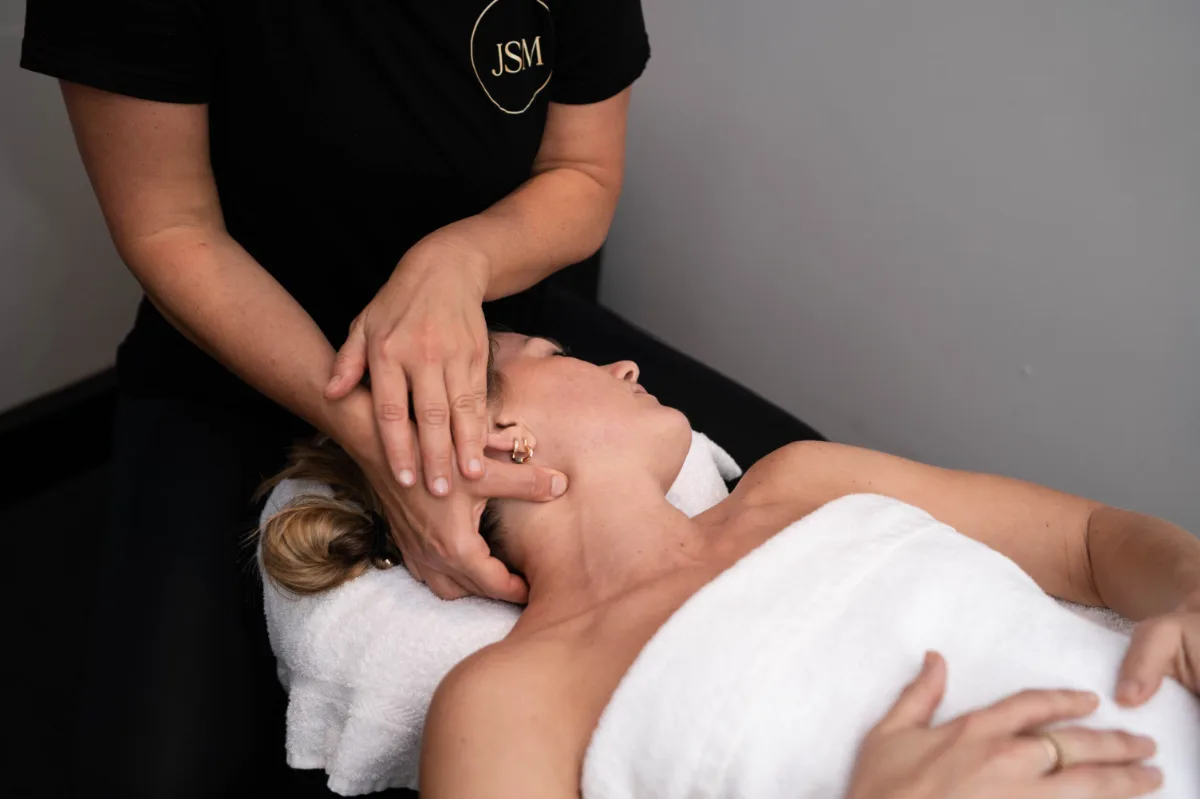
What happens during a lower back massage?
A targeted appointment should begin with a discussion of your symptoms, health history and expectations. The therapist may check comfortable movements and explain the areas they suggest treating.
Treatment might involve the lower back and nearby regions such as the hips or glutes. Work around those areas should have a clear reason and your consent. Tightness in a neighboring muscle does not automatically establish it as the cause of your back pain.
You should feel comfortable with the treatment position and level of pressure. Ask for changes if lying face down bothers your back or if a technique feels unpleasant.
You can decline treatment to any area. Tell the therapist immediately about sharp pain, tingling or other unusual sensations.
Is deep tissue massage better for back pain?
More pressure is not a reliable shortcut to relief.
A sensitive back may respond better to a gentler approach than an intense session. Your therapist should adjust the treatment to your symptoms and feedback rather than work toward a fixed pressure level.
There is also no need to accept bruising or substantial soreness as the price of a useful massage. The aim is a treatment you can tolerate with a clear reason for continuing it.
What should you do after treatment?
Check how you feel during familiar activities rather than judging the session only while you are on the table.
You might notice that standing from a chair feels easier, that a short walk is more comfortable or that nothing has changed. Each response gives useful information.
Some temporary tenderness can occur. Contact the therapist if treatment leaves you substantially worse, and seek medical advice for new or concerning symptoms.
There is no need to drink excessive water to flush anything out after massage. Follow your usual hydration routine and any activity advice relevant to your situation.
What can help between appointments?
Keep everyday movement manageable
Try short, comfortable periods of activity rather than waiting until you feel ready for a long workout. Walking around the house or taking a brief outdoor walk may be a starting point.
You may need to modify demanding tasks temporarily. Prolonged bed rest is generally unhelpful for routine nonspecific back pain.
Change position regularly
If sitting becomes uncomfortable, stand, walk briefly or adjust your position. If standing is the problem, try a different task or a short seated break.
Use reminders if they help, but you do not need to follow a rigid timer regardless of how you feel.
Build activity gradually
When symptoms settle, avoid jumping straight from very little activity into your hardest session. A physiotherapist can help with a suitable exercise plan if pain keeps recurring or you are uncertain about returning to training.
Be selective with stretches
Stretching is not compulsory, and a stretch should not provoke sharp pain or symptoms down a leg. Choose comfortable movements rather than repeatedly pulling into the sore spot.
For a separate discussion of neck stiffness, read Jackie’s stiff neck relief tips.
When should you seek medical care first?
Back pain with new bladder or bowel control problems, numbness around the groin or buttocks, or severe or worsening leg weakness needs emergency assessment. Do not wait for a massage appointment.
Seek prompt medical assessment for pain following a significant accident, fever or feeling seriously unwell, unexplained weight loss, or persistent worsening symptoms. Mention any history of cancer.
New or continuing leg pain, numbness or tingling also deserves clinical assessment. These symptoms do not automatically mean something serious is wrong, but massage alone cannot establish their cause.
How many massage sessions will you need?
There is no standard number that fits every episode of lower back pain.
Set an initial goal and review your response. More comfortable walking, improved sleep or an easier return to everyday tasks are more meaningful than committing to appointments without checking progress.
If treatment provides little relief, or the benefit disappears immediately each time, reconsider the plan with your therapist and an appropriate health professional.
Book a back pain massage in Sydney CBD
Jackie’s Sports Massage offers remedial and pain relief massage at Level 6, Suite 605, 185 Elizabeth Street in Sydney CBD.
If health fund rebates matter to your booking, check your policy and select an eligible therapist. The clinic’s therapist listings include health fund availability.
Tell us when your back pain started, what activities it affects and any treatment you have already received.